AI-Based Knowledge Management
Alternative to Empolis
Exploring Empolis alternatives?
See how Fluid Topics stands out and choose the right platform to provide first-class service to your customers.
Proven Outcomes with Fluid Topics
30%
savings in publishing costs
34%
decrease in support tickets
2 weeks
saved in the delivery process
50%
reduction in resolution time
Transform your knowledge into
real added value
Teams evaluating knowledge management tools often land on Fluid Topics and Empolis as shortlisted candidates. Both address content centralization and search, but they diverge sharply in their AI capabilities, delivery channels, and focus on product and technical documentation. Get the clearest comparison we can offer, including where Empolis genuinely performs well.

Keep your tech stack
Get up and running quickly with ready-made connectors to top platforms,
enabling your content to scale while your team works with the tools they know best.

Heretto

Adobe Experience Manager

Paligo

Word

Madcap IXIA CCMS


Zendesk

Zoho Desk

HTML5


RWS


Robohelp

Confluence
Heretto
Adobe Experience Manager
Paligo
Word
Madcap IXIA CCMS
Zendesk
Zoho Desk
HTML5
RWS
Robohelp
Confluence

Docufy Cosima

Sharepoint

Excel

Salesforce

OpenAI

Markdown

Schema ST4

Github

Madcap Flare

YouTube

Jira

Swagger

Docufy Cosima
Sharepoint
Excel
Salesforce
OpenAI
Markdown
Schema ST4
Github
Madcap Flare
YouTube
Jira
Swagger
How the platforms stack up
A side-by-side look at the capabilities that matter most to product knowledge and service teams.
Fluid Topics
Empolis
CCMS Integration
Out-of-the-box connectors for CCMSs(Paligo, Tridion, Schema ST4, Heretto, Madcap IXIA, AEM, Cosima, Author-it…).
Integration of data via the knowledge graph.
Content Unification
Natively ingests formats like DITA, DocBook, HTML, Markdown, and YAML, and restructures Word documents and Wiki markup – no custom scripts required.
No content unification – only integration with different systems.
iiRDS Compatible

Portal Customization & Design
Autonomous no-code Portal Designer with drag-and-drop components, and optional CSS and JavaScript for advanced customization.
Pre-configured portal templates.
Multi-tenancy / Multi-portal
Supports multiple isolated tenants and multiple portals per tenant, all powered by a shared Knowledge Hub.
One unified knowledge portal.
GenAI and RAG capabilities
Native Model Context Protocol (MCP) Server
Production-ready MCP server for AI agents.

Agentic AI & chatbots
Fluid Topics provides an out-of-the-box agentic chatbot combining full reasoning with semantic search, keyword search, and content-reading tools.
Empolis provides a conversational dialogue assistant called “Empolis Buddy”.
Multilingual Content Support
Offline Availability
In-Product Contextual Help
Guided Step-By-Step Instructions
Collaborative Features
Role-Based Access & Governance
Dedicated Content Analytics
Fluid Topics is the trusted knowledge layer for your AI initiatives
Help your organization get more done, faster and more efficiently and provide the next generation of personalized content experiences.

AI-ready knowledge
Fluid Topics enriches product information with structure, context, and metadata so AI tools and agents can effectively understand your knowledge. This enables them to accurately retrieve, interpret, and deliver relevant information to your users.

AI assistants
Support generative assistants, embedded copilots, and agent frameworks with trusted product knowledge. Deliver consistent experiences across internal teams and customer-facing applications.

Hybrid search
Keyword precision meets semantic understanding. Fluid Topics combines both retrieval methods so users find answers through exact terms, model numbers, or natural language queries.

MCP integration
An integrated MCP server connects LLMs and AI agents directly to the Fluid Topics Knowledge Hub, providing contextual access to trusted information and actions.

Compliant and secure
Enterprise-grade security is built into the platform with granular permissions, robust authentication, and governance controls that safeguard sensitive knowledge.

Zero ops overhead
Eliminate infrastructure management and maintenance. Fluid Topics automatically handles performance, scalability, and availability so teams can focus on creating value.
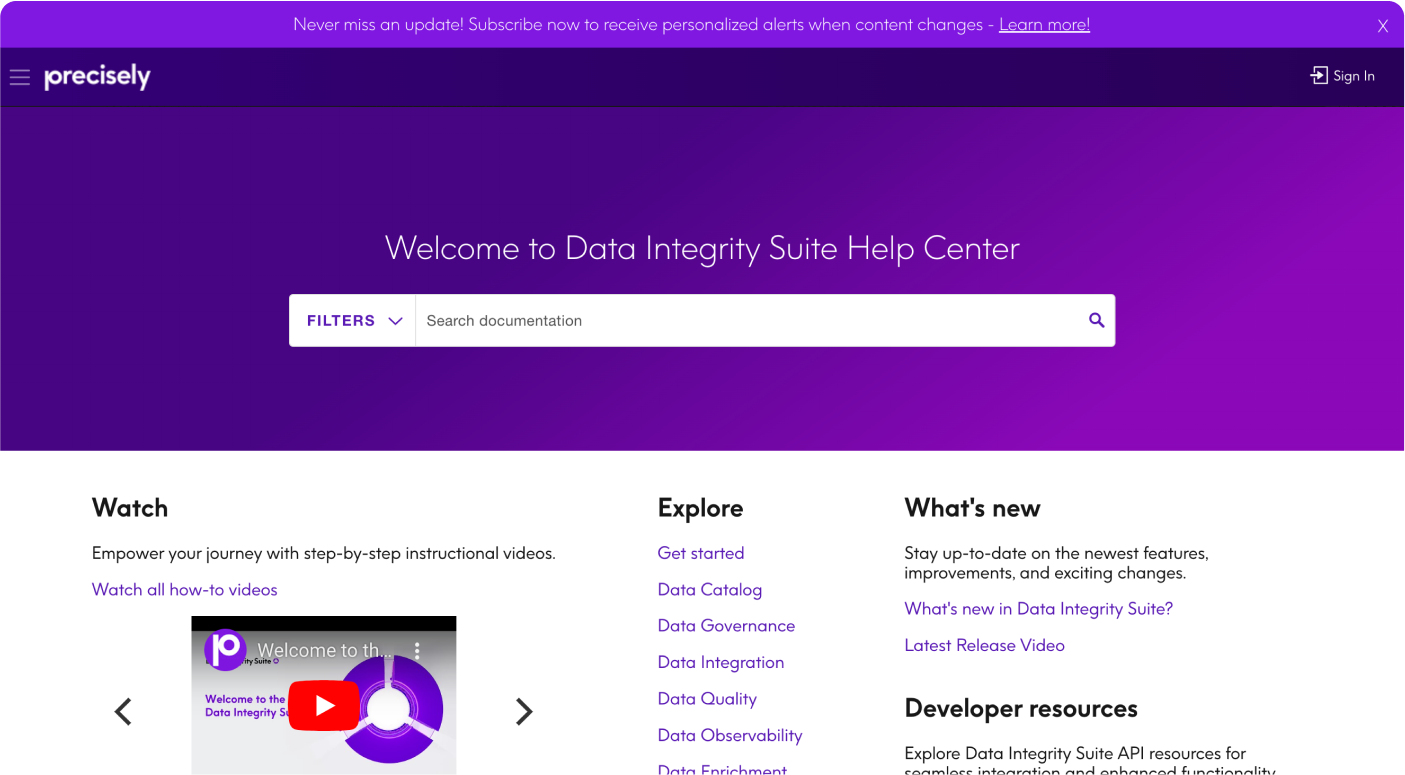
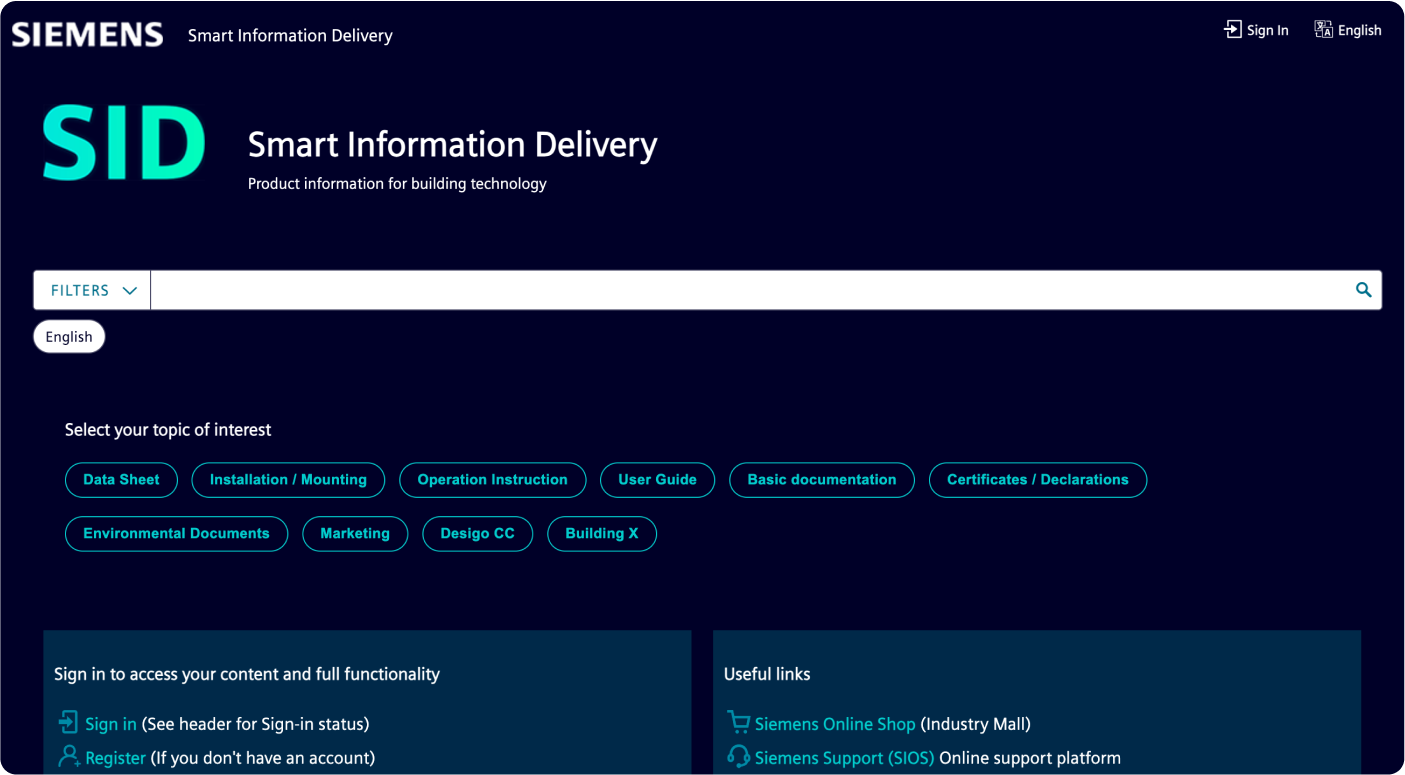
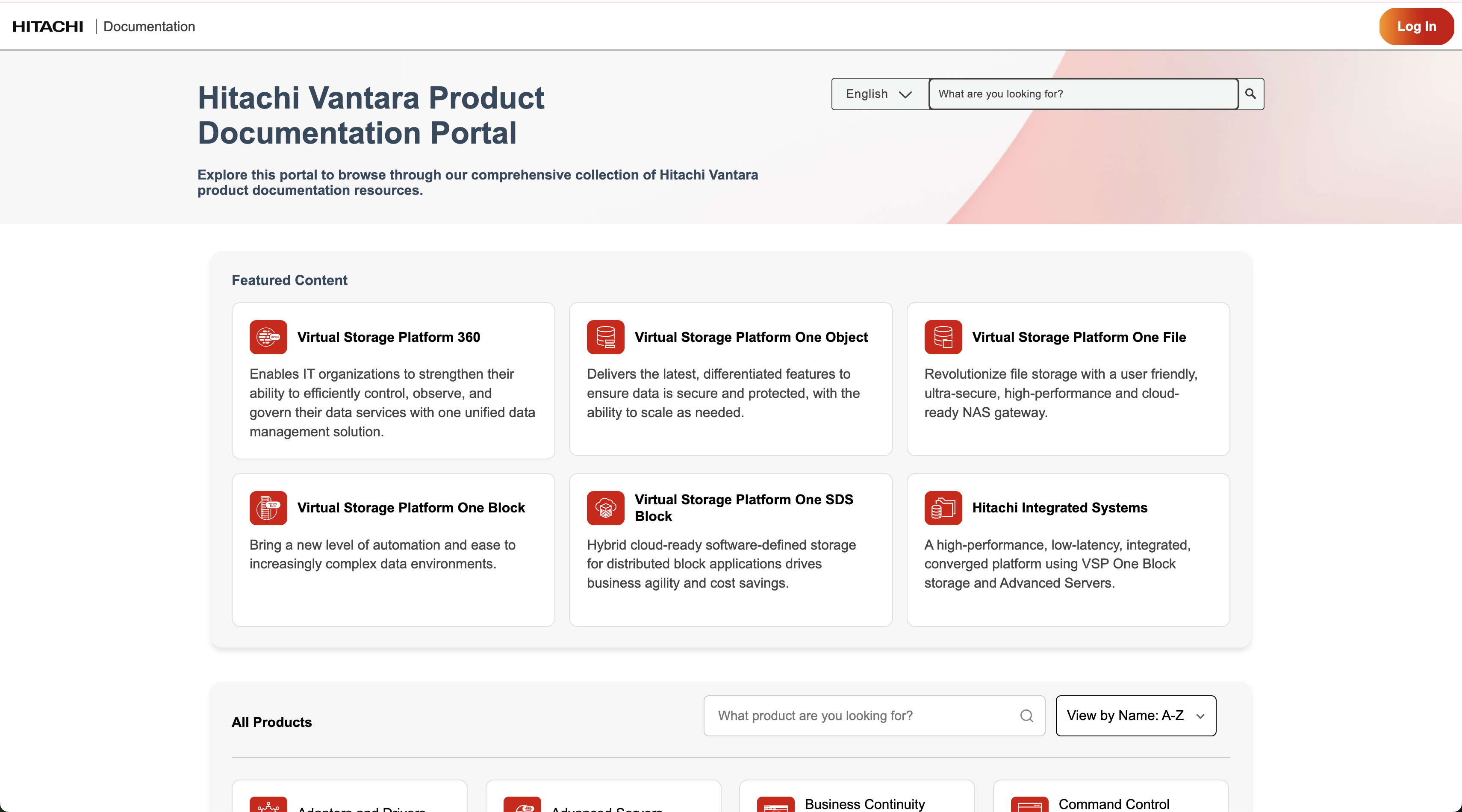
Documentation portals built by our clients
Discover Knowledge Portals built with Fluid Topics and explore the possibilities.


“The subsequent launch of Fluid Topics has been a huge success. Providing users and technicians with easy access to an interactive technical documentation, in their preferred format, is an important factor for the smooth installation of a new machine and for the overall customer satisfaction “

Aurélien Unfer
Project Manager, New Information and Communication Technologies at Liebherr Mining
Top companies use Fluid Topics
We create cutting-edge technical content experiences that provide our customers with the competitive edge they need to succeed.
Common questions from teams comparing Fluid Topics and Empolis
Yes. Fluid Topics helps service teams, support agents, and customers access the right product knowledge in context. Content can be delivered through service portals, support applications, Field Service applications, and AI assistants, ensuring users quickly find accurate information when they need it.

Ready to see the difference?
Talk to a product specialist and get a personalized demo built around your content and your use cases.