Fluid Topics vs Homegrown Documentation Solutions
You built a documentation portal. It works…mostly. But it was likely designed for a world before AI agents, MCP, and connected workflows. What began as a one-time project has become a platform your engineering team must continuously maintain. And that’s a problem!
Proven Outcomes with Fluid Topics
30%
savings in publishing costs
34%
decrease in support tickets
2 weeks
saved in the delivery process
50%
reduction in resolution time
Common Pitfalls of In-House Developments
“Simple” Never Really Stays Simple
What started as a docs website becomes a mini content platform: ingestion, search, permissions, versions, analytics — each needing a dedicated owner nobody budgeted for.
A Moving Target That Never Gets Fully Funded
The original build got budget. The years of maintenance after it rarely do, so the platform slowly falls behind what the business actually needs.
AI Makes Fragile Systems Fail Louder
Bolting a RAG prototype onto a homegrown portal is easy. Getting it to answer accurately, every time, is not. That takes a retrieval layer most in-house builds were never architected for — clean metadata, live embeddings, and content that’s actually current.
What Fluid Topics Does That You Can’t Build Fast Enough
Purpose-Built Documentation Portal
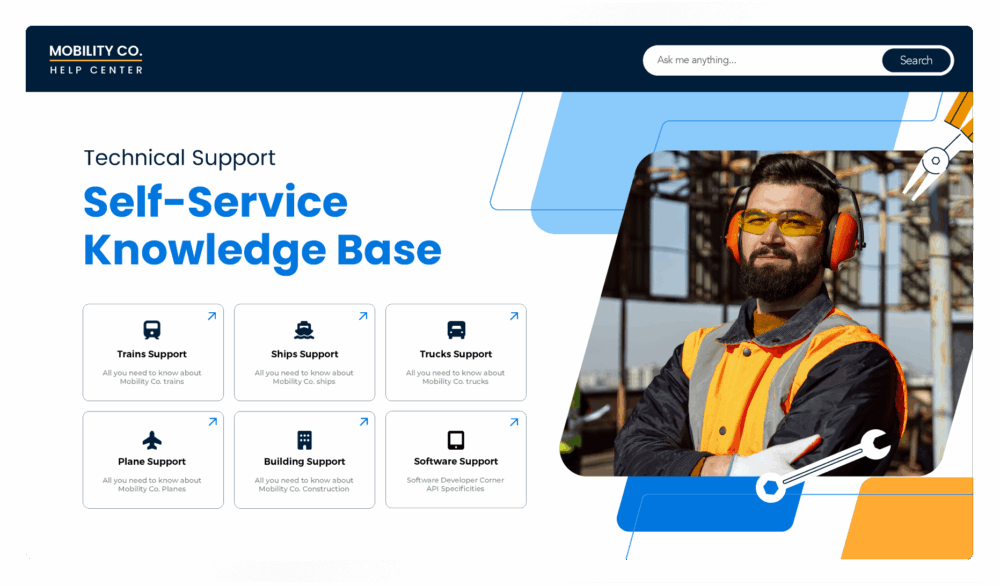
Fluid Topics offers a turnkey solution that allows you to effortlessly build and customize your portal using an intuitive WYSIWYG editor. You can create home pages, search result page and reader page templates while fully personalizing layouts, branding, and other design elements with complete autonomy.

Page builder

AI widgets

Pre-built components

Responsive design
Native processing
for all content types
Fluid Topics natively ingests structured formats like DITA, DocBook, HTML, Markdown, and YAML, no custom scripts required. It also intelligently restructures unstructured content such as Word documents or Wiki markup, into a unified hub that treats all content as if it were structured from the start.

Ready-to-use connectors

Automatic and manual publishing

Real-time processing

Trusted search results,
grounded in your knowledge
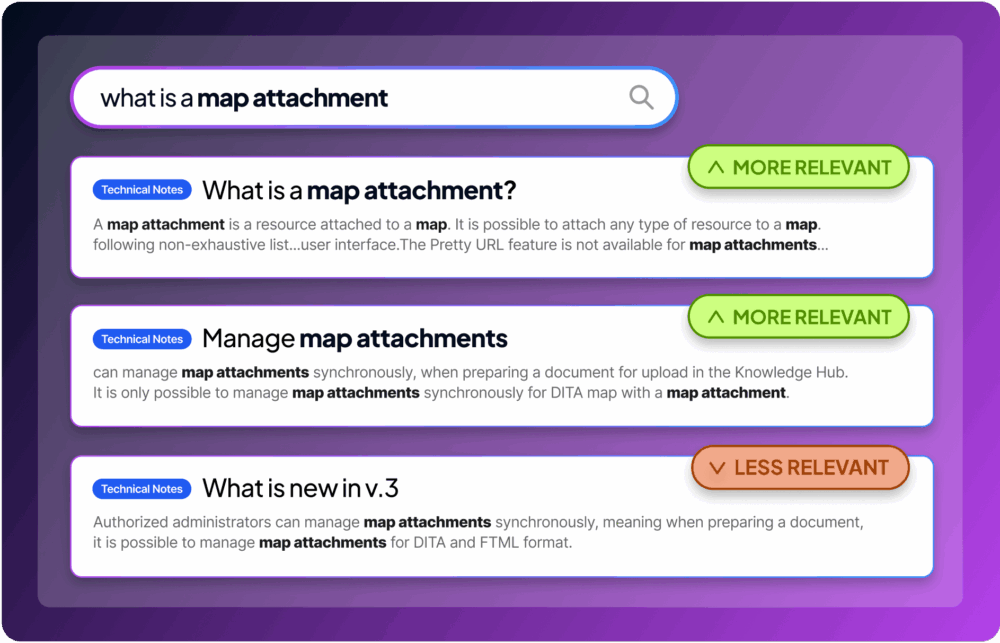
Imagine a search experience where every query delivers the right answer, every time. Fluid Topics’ AI-powered search engine ensures precise and relevant results across all your documentation.
Semantic search
Personalized results
Configurable ranking
RAG applications
Compliant, secure, and future-proof
Security and compliance are built into every layer of Fluid Topics. With granular access controls and enterprise-grade authentication, you can trust your sensitive product knowledge is protected today and ready for whatever tomorrow brings.
Role-based access
Content filtering
Audit trails
Data governance

Head-to-Head Comparison
Fluid Topics
Homegrown
Content Ingestion & Connectors
Bringing in CCMS, Markdown, OpenAPI, video, and more
Out-of-the-box connectors
Maintained across API and auth changes
Custom scripts
Each new source is a new project
Structured and Unstructured Format Support

Limited
Permissions & Governance
Controlling who sees what, beyond login
Built-in entitlement layer
Enforced across search, portal, AI
DIY on top of SSO
Built, tested, and owned by you
Omnichannel Delivery (Portal, AI tools, Helpdesk, CRM, API)
To be built
Semantic Search

Search Business Rules
Agentic Chatbot
Generative AI / RAG Capabilities
Years of engineering away/Add-on
Ongoing Improvement
Continuous, vendor-delivered
No added internal effort
Competes with your product roadmap
Integration Maintenance
Fluid Topics manages this
Your problem, indefinitely
Dedicated Content Analytics
Understanding search success and content gaps
Purpose-built dashboards
Page traffic at best
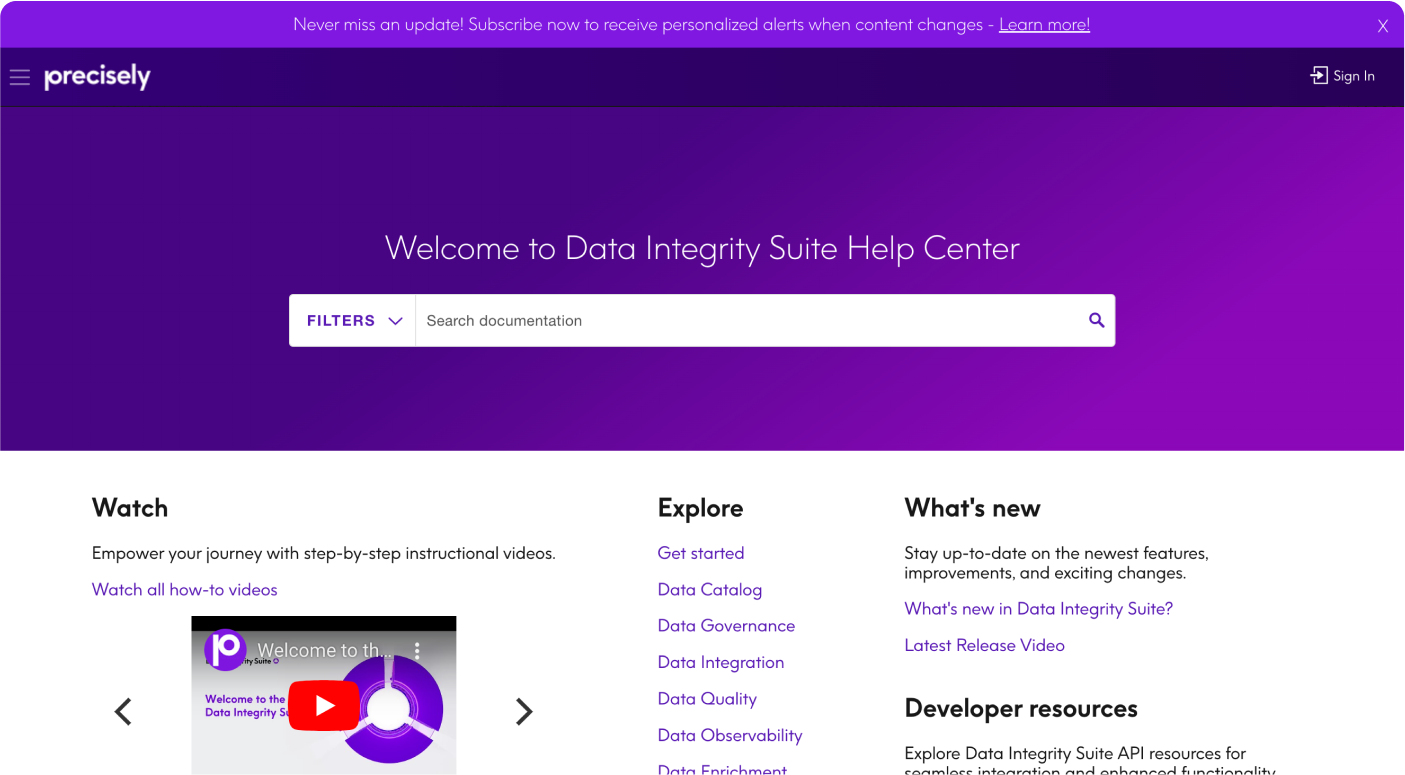
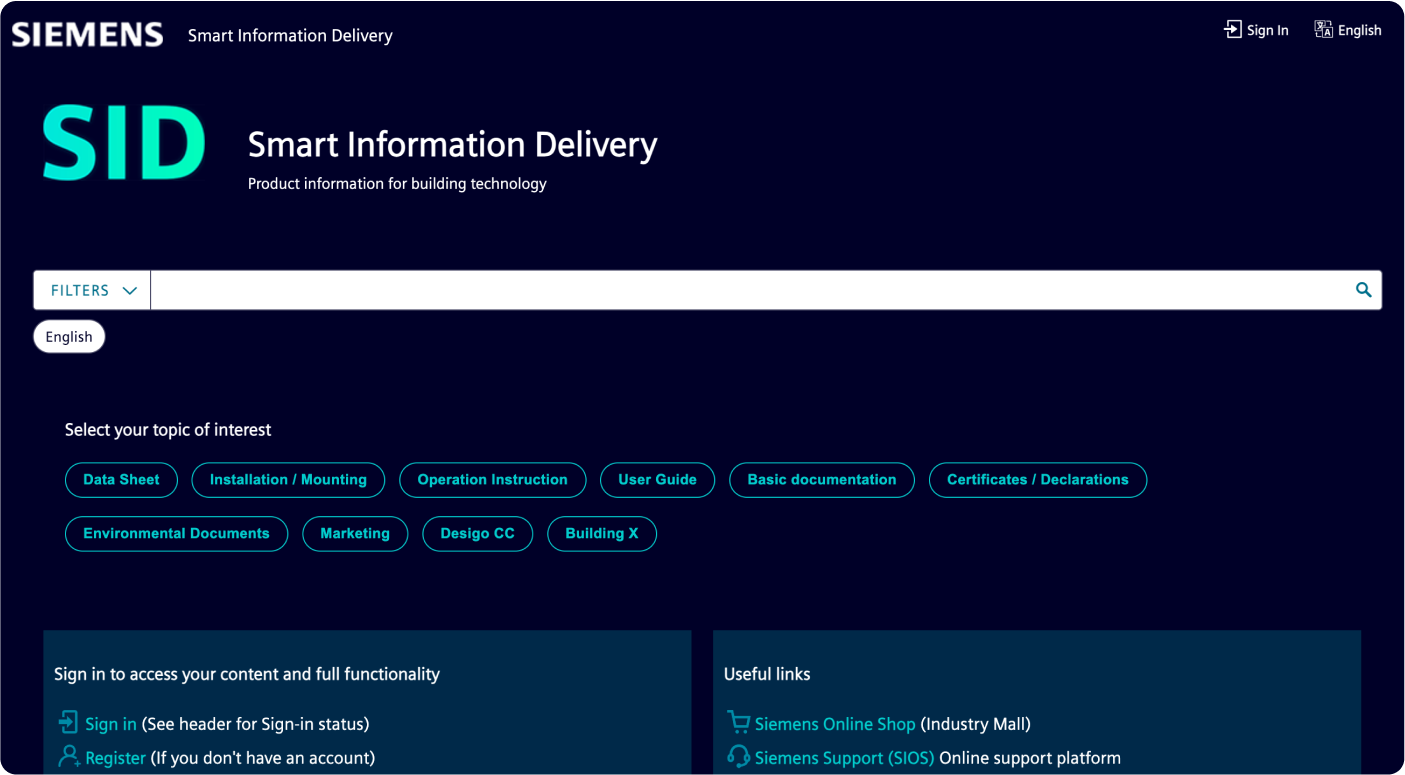
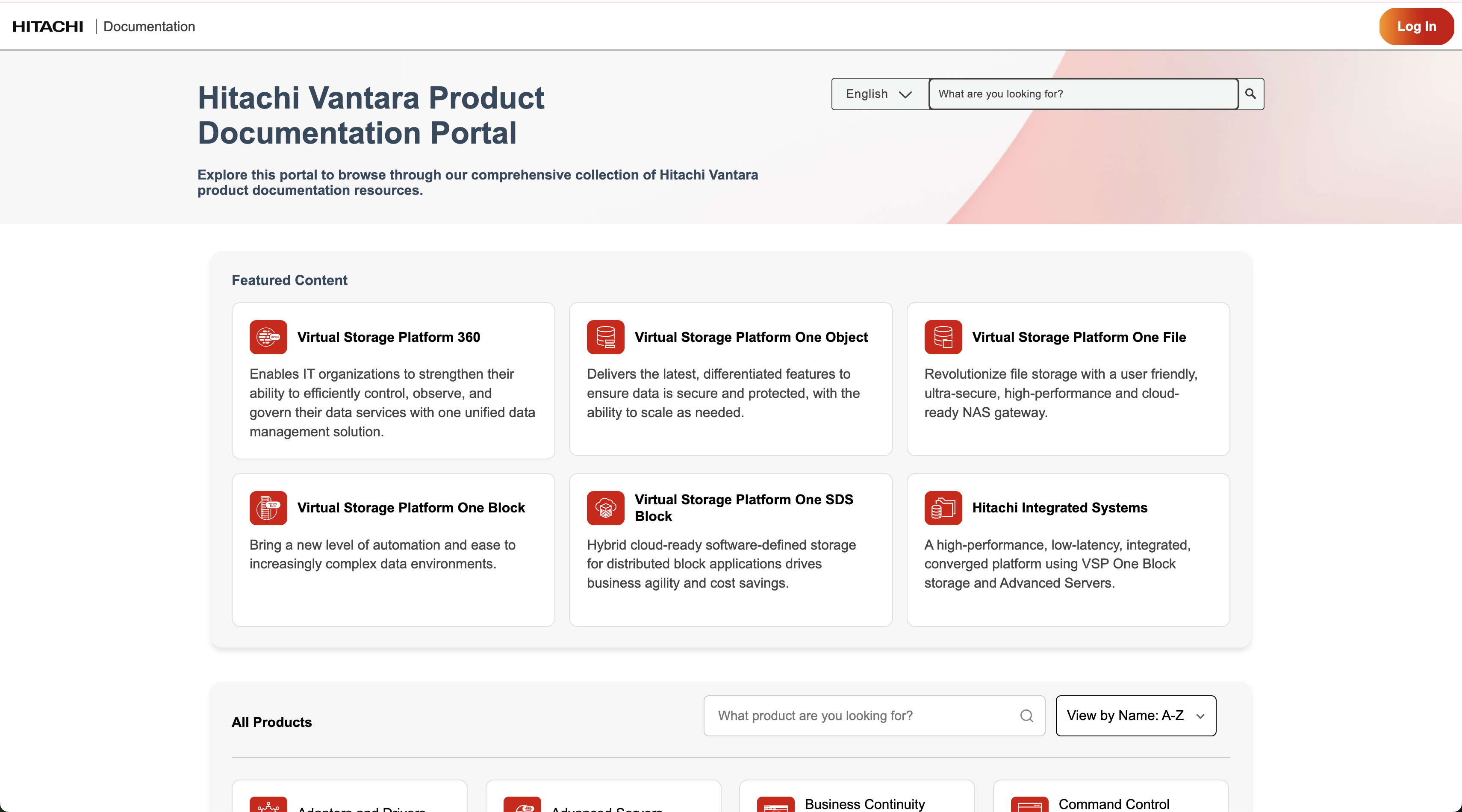
Documentation Portals Deployed with Fluid Topics
Discover Knowledge Portals built with Fluid Topics and explore the possibilities.

Frequently Asked Questions
You can build hosting, navigation, and a search box — most companies do. What’s hard to build fast enough is relevance tuning specific to technical documentation, a permission-aware delivery layer, version-and-language logic at scale, and a retrieval foundation AI can actually trust. By the time that’s built, content and audiences have usually grown past it.